Peter Schiff Says Democrats Must Cut Spending to Lower Prices - iShares 7-10 Year Treasury Bond ETF (NASD

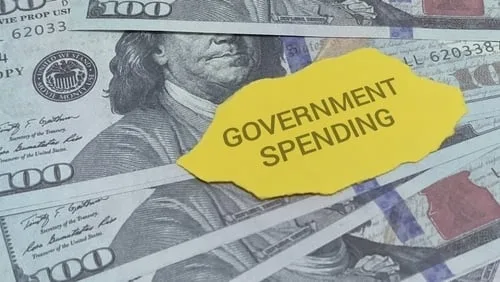
TITLE: Peter Schiff Warns of Continued Inflation Without Significant Spending Cuts
Peter Schiff, a well-known financial commentator and veteran investor, recently shared a critical outlook regarding the economic strategy of the Democratic party as they prepare to lead the next Congress. Schiff argues that the promises made by politicians to reduce the cost of living for American families will fail to materialize unless there is a fundamental shift in fiscal policy. According to his assessment, the current trajectory of federal expenditures is the primary engine driving the persistent increase in consumer prices across the nation.
Schiff on Rising Prices
In a social media statement posted this past Sunday on the platform X, Schiff challenged the assertion that a new legislative agenda would automatically result in relief for consumers. He pointed out that while many Democrats claim they intend to fight to lower prices, these efforts are likely to be negated by the actions of the central bank. Schiff specifically noted that the Federal Reserve is currently engaged in monetizing deficit spending, a process that he believes guarantees that prices will keep rising for the foreseeable future.
The investor further elaborated on the relationship between government policy and the financial burden placed on the public. He stated that higher prices are the tax Americans pay to cover the cost of government programs Democrats love. By characterizing inflation as a hidden form of taxation, Schiff suggests that the expansion of federal initiatives creates an unavoidable economic consequence that manifests as higher costs for goods and services, effectively offsetting any legislative attempts to increase affordability.
Democrats Pledge Lower Prices
In contrast to the warnings issued by Schiff, Democratic leadership has maintained a focus on direct intervention to assist households. Hakeem Jeffries, the House Democratic Leader from New York, has publicly committed his caucus to a platform that will prioritize affordability and accountability. This approach is based on the idea that targeted policy changes can successfully manage the inflationary pressures that have impacted the domestic economy over the last several years.
While Schiff attributes the current economic climate to government outlays and monetary policy, other voices within the political sphere have identified different catalysts for the rising cost of living. Some officials and analysts have blamed the tariffs implemented during the Trump administration for contributing to the upward pressure on prices. They argue that these trade restrictions have increased the cost of imported goods, which in turn has been passed on to the American consumer.
This ongoing debate over fiscal responsibility and trade policy continues to influence the broader financial markets. Investors monitoring the iShares 7-10 Year Treasury Bond ETF are particularly sensitive to these developments, as the balance between government spending and inflation directly impacts bond yields and the stability of the fixed-income market. As the new Congress convenes, the tension between spending on social programs and the need for price stability remains a central focus for market participants.
Source: benzinga.com · 2026-11-09