Thailand: Bangkok Rally IMF World Bank Meetings 36. | Flipboard

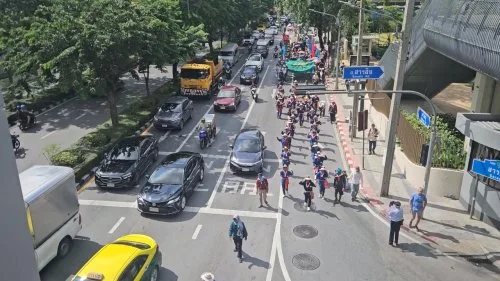
Thailand: Bangkok Rally IMF World Bank Meetings 36.
The city of Bangkok, Thailand, became a focal point for global economic discourse and public dissent on October 16, 2026. As the International Monetary Fund and the World Bank convened for their high-profile annual meetings, the surrounding streets were filled with demonstrators. These annual gatherings typically bring together finance ministers, central bank governors, and private sector executives to discuss the state of the global economy, yet the presence of large crowds outside the venues highlighted a significant divide between institutional policy and the demands of civil society.
Protesters Demand Debt Relief
The individuals participating in the Bangkok rallies voiced a wide range of grievances centered on the current global financial system. Activists explicitly called for economic justice and urged the International Monetary Fund and the World Bank to implement meaningful debt relief for struggling nations. The demonstrators argued that the financial burdens placed on developing countries often come at the expense of essential social services and local stability.
Beyond the calls for financial restructuring, the protesters emphasized the need for greater protection of farmers' rights and livelihoods. Agriculture remains a cornerstone of the economy in many regions, and those on the streets expressed concern that international trade and lending policies frequently disadvantage small-scale producers. Furthermore, the environment was a primary theme of the demonstrations, with participants demanding that global financial institutions take more aggressive steps to safeguard natural resources and address ecological degradation as part of their economic mandates.
Russian Minister Joins G20 Meeting
The geopolitical complexities of the week were further underscored by the attendance of Russia's finance minister at a Group of 20 meeting in Bangkok on Thursday. This appearance was notable as it represented only the second time the minister has participated in person at such an event since the 2022 invasion of Ukraine. The G20, which consists of the world's largest economies, has faced internal friction since the conflict began, with various member states imposing sanctions and diplomatic restrictions on Russian officials. The minister's physical presence at the table in Thailand serves as a reminder of the ongoing challenges in maintaining international cooperation during periods of intense regional conflict.
Concerns over RED SEA Escalation
While financial leaders focused on fiscal policy, broader security issues also influenced the diplomatic atmosphere in Bangkok. South African officials utilized the international stage to express what they described as serious concern regarding the latest escalation of hostilities in the Red Sea region. The South African government specifically pointed to the strategic Bab el-Mandeb strait, where a series of attacks has disrupted maritime stability.
South Africa's statement characterizes these events as a renewed cycle of violence that threatens vital trade routes. By highlighting the strategic importance of the Bab el-Mandeb, South African representatives joined a growing chorus of nations worried about how regional instability and maritime attacks could impact the global supply chain and economic recovery efforts being discussed at the IMF and World Bank summits.
Source: flipboard.com · 2026-10-16